Select Page
Sailing Safely at Night – Best Practice

Sailing Safely at Night – Best Practice

Sailing at night can be a magical experience – the peaceful solitude, starry skies, and gentle lapping of waves create an unforgettable atmosphere. However, nighttime sailing also presents unique challenges and risks that require careful preparation and vigilance. This comprehensive guide will cover essential safety practices to ensure your nocturnal nautical adventures are both enjoyable and secure.

read more

ESSENTIAL BOATING APPS >>

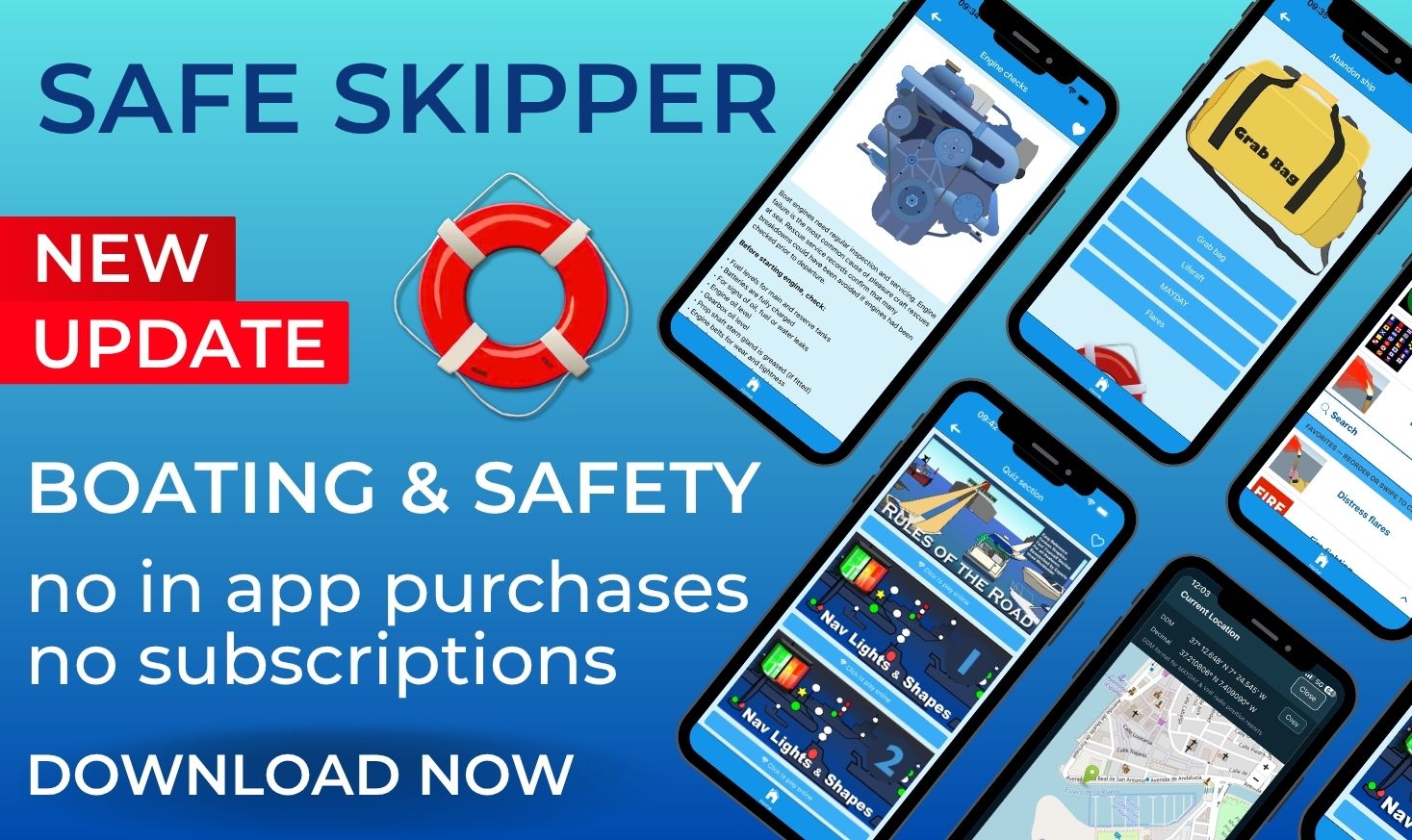
Safe Skipper App – a practical guide to managing risk at sea

Fast access to essential boating tips, emergency guidance & MAYDAY call support. Record vessel details & crew information. Save favourites & location. Be better prepared!

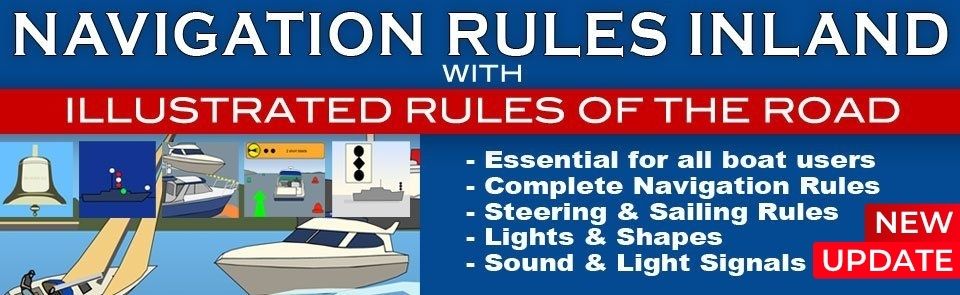
US Inland Navigation Rules App

Complete Inland Navigation Rules for all U.S. inland waters and the Great Lakes.

With 100+ specially produced explanatory illustrations and captions, for all recreational and commmercial vessels navigating US intracoastal waterways and the Great Lakes.

ColRegs: Navigation Lights & Shapes App

Provides skippers and crew of sailboats, power boats and commercial vessels worldwide with a quick reference tool to identify vessels in their vicinity and the activities they are engaged in.

Knot Bible - Knots Made Easy

Learn the 50 essential boating knots for mooring, anchoring and rigging, with step-by-step photos, save favourites, search, clear instructions and practical Knot Scores.

ColRegs: Buoys & Lights App

All the essential quick reference knowledge you need to quickly recognise and interpret the buoys and the light markers and improve your overall boating skills and safety on the water.

As specified by the International Association of Lighthouse Authorities (IALA) Systems A & B. 

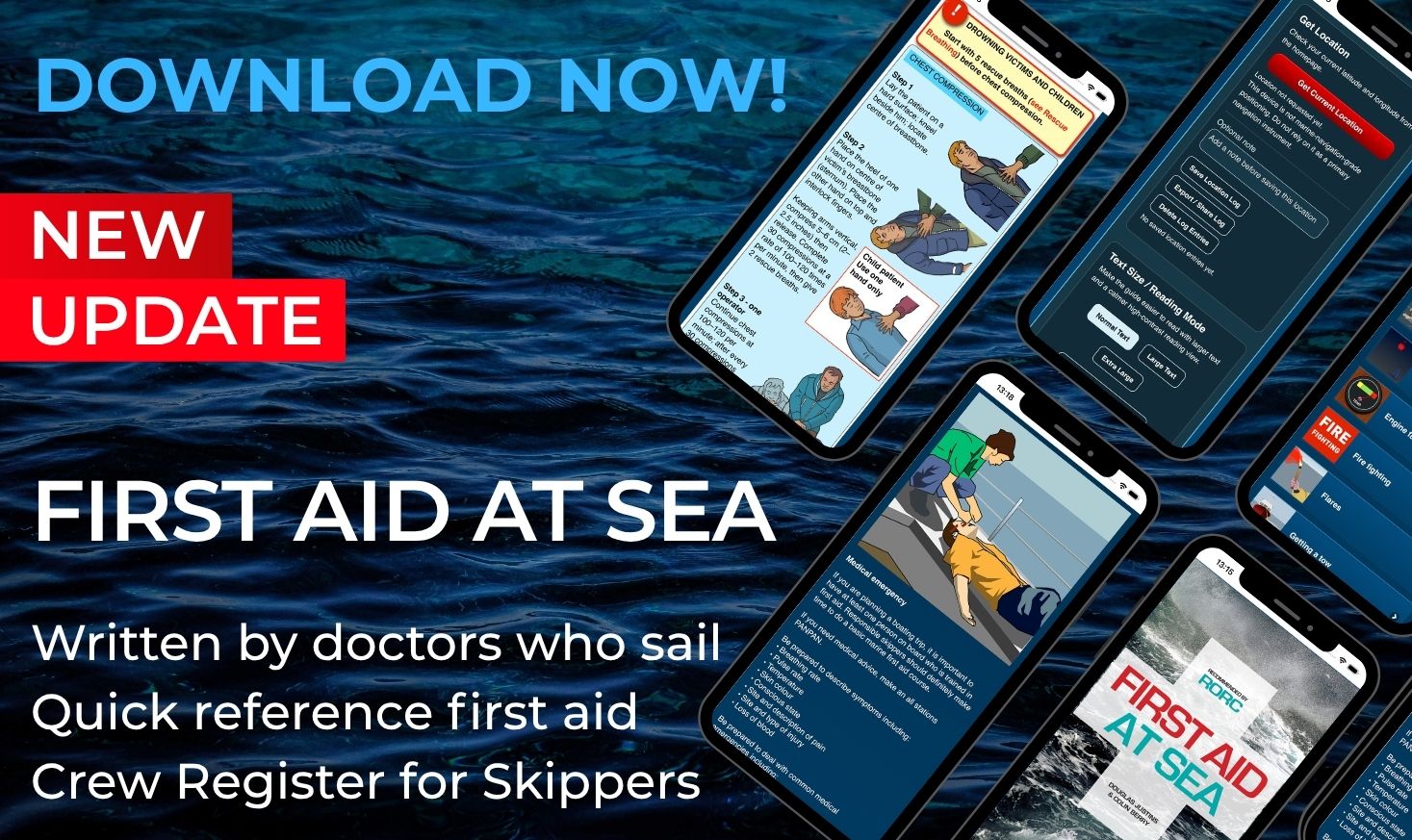
Boating First Aid at Sea

This app provides rapidly accessible guidelines for dealing with medical emergencies in a small boat or yacht at sea.

As well as detailing medical procedures the app also provides information on emergency communications.

Take a look at the new features!

ColRegs: Rules of the Road App

A quick reference tool and educational app that enables the user to quickly interpret what other vessels are doing, who has right of way and what action they should take to prevent a possible collision, as defined by the ColRegs.

Boat decks and superstructure

The deck of a boat is constantly exposed to the elements and should be inspected on an annual basis. Particular attention needs to be given to the overall condition of deck fittings such as the stanchions, cleats and chainplates.

Nautical paper charts – a reminder of the basics

The nautical chart is an indispensable tool for navigation. A chart is a graphic representation of an area of the sea which might also include coastlines, estuaries and islands. All cruising leisure boats should carry up-to-date paper charts.

The Round The Island Race 2023

This year’s Round the Island Race turned out to be a really thrilling and competitive event. 1100 boats entered the race, which took place on Saturday 1st July. The race started from the world famous Royal Yacht Squadron line in Cowes UK, with the largest and fastest boats starting first, leaving the rest of us to wait our turn.

Boat Handling – anchoring

Anchoring your yacht or motorboat Anchoring is one of the most important boat handling skills. If you can set an anchor...

Pleasure craft safety equipment recommendations

Safety equipment is an important part of boat preparation and it is advisable for all pleasure craft skippers to check their vessel is...

Essential Knots: Reef knot

Essential Knots: Reef knot Use: Tying two ends of rope together, often used for tying up a bundle of loose sail around the boom. Step...

What boating skills should you have before you buy a yacht?

Many people dream of owning a yacht and sailing off into the blue yonder. What boating skills should you have before you buy...

Preparing for sailboat cruising

Preparing for a sailing trip entails a lot of planning. In this blog, we take a look at some of the many safety aspects that a skipper needs to consider before heading off on a cruise.

Antifouling for leisure boats – Part 2

To prepare for antifouling, as soon as your boat has been lifted out and pressure washed, you need to check all the surfaces of the hull below the waterline, remove any remaining barnacles and check for blisters.

Boat Improvements

My Boat - practical improvements Author - Mike Rossiter Most boat owners who have had their craft for any length of time will have made what they...

Sailboat rig checks – Part 1

Sailing boat rigs need to be checked regularly to reduce the risk of rig failure at sea. In part one of Sail boat rig checks we run through a series of useful checks that owners and skippers can carry out.

Boat gas system maintenance

There are correct types of hose for marine plumbing, sewerage, exhaust, cooling and gas and all hoses should be checked regularly for wear and deterioration.

Points of Sailing

The course on which a boat is sailing can be described by its angle to the wind, not to be confused with its compass...

Repairing chips and dings in gelcoat

The gelcoat topsides of a GRP boat can be pampered and restored to their former glory relatively easily when it is ashore. Gelcoat is only a very thin outer layer of the hull, often less than 1mm thick, so you should avoid cleaning it with highly abrasive cleaners, or an-ything that could potentially damage its surface.

Safety Equipment Checklist for Boats

Safety Equipment Checklist for Boats   Liferaft line attached The liferaft will not work unless the trigger line is...

Antifouling for leisure boats – Part 3

Antifouling is one of the least pleasant boat maintenance jobs to do, but it has to be done. The very worst job of all is removing the old antifouling as this can get seriously messy and is very hard work.

Peer to Peer yacht charter – How can you monetize your boat?

There is a growing trend in peer to peer yacht charter. How does it work? People already rent rooms, cars and bikes from one...

Cleaning & polishing gelcoat topsides

The gelcoat topsides of a GRP boat can be pampered and restored to their former glory relatively easily when it is ashore. Gelcoat is only a very thin outer layer of the hull, often less than 1mm thick, so you should avoid cleaning it with highly abrasive cleaners, or an-ything that could potentially damage its surface.

How to predict wind direction and strength by reading a weather chart

Weather charts, also known as surface pressure or synoptic charts, contain a lot of information that helps weather...

Rudders and steering systems – Part 3

In the third of our three blog articles on rudders and steering systems, we look at how to replace rudder bearings and repair a water-saturated core.

Sailing Safely at Night – Best Practice

Sailing at night can be a magical experience – the peaceful solitude, starry skies, and gentle lapping of waves create an unforgettable atmosphere. However, nighttime sailing also presents unique challenges and risks that require careful preparation and vigilance. This comprehensive guide will cover essential safety practices to ensure your nocturnal nautical adventures are both enjoyable and secure.

How to read nautical charts

Whilst most sailors today rely on GPS to find their way at sea, nautical charts are a crucial tool for any sailor to navigate safely and effectively. Here is a reminder of some of the basic steps involved in reading a nautical chart:

Sail care and maintenance – Part 1

When thinking about the care, maintenance and repair of sails it helps to have some understanding of the properties of the ever growing range of modern sailcloth and the fibres they are made from, as opposed to the traditional canvas sails of the past.

Boating Etiquette: Do’s and Don’ts on the Water

Boating etiquette is essential for ensuring the safety, enjoyment, and harmony of everyone on the water. Whether you’re a seasoned boater or new to the boating community, it’s important to be aware of the do’s and don’ts of boating etiquette. Take a look at our guidelines:

Cutless bearing replacement

Cutless bearings can last for many years but if the propeller shaft is out of alignment they will wear through more quickly. If you have noticed a clunking sound when motoring then it could be a worn cutless bearing that is causing the problem.

Welcome to the Safe Skipper website.


Safe Skipper is run by boating enthusiasts who also have a background in publishing and TV production, design and app development. As well as creating great content for the website, we’ve developed a range of popular boating apps that allow you to get safely out on the water whilst having essential information to hand, covering International ColRegs: Nav Lights & Shapes, Rules of the Road, Buoyage & Lights to knot tying, nautical chart symbols and first aid at sea – all information available to you when on the water, on your phone or tablet, when you need it.

We’re regularly adding new articles to the site, hope you’ll bookmark us and visit again soon.

Before you go, scroll down to our boating quizzes and check your boating knowledge!

Essential Yachting + Power Boat Safety Briefing

Yachting Safety Briefing   Down below Lifejackets and harnesses - fitting, when to wear, clipping on Gas - risks, precautions, gas bottles and...

Boat ownership

Owning a boat is a big commitment that should bring no end of satisfaction for the owner as well as the owner's family and friends. In...

Estimating and plotting your position at sea

This post covers how we go about estimating and plotting our position using traditional methods, when out of sight of land – covering Dead Reckoning, Estimated Position, Tidal Streams, Leeway and more…

Dag Pike’s Boat Survey

We're really pleased to be working with Dag Pike on some great new apps for iPhone & Android. Here'a a bit more about the first app: Dag Pike's...

Boat engine fuel system

If engines are installed and serviced correctly then most marine engines are very reliable, but one of the most important parts of the engine to check and service is the fuel system.

Sailing Safely at Night – Best Practice

Sailing at night can be a magical experience – the peaceful solitude, starry skies, and gentle lapping of waves create an unforgettable atmosphere. However, nighttime sailing also presents unique challenges and risks that require careful preparation and vigilance. This comprehensive guide will cover essential safety practices to ensure your nocturnal nautical adventures are both enjoyable and secure.

Sailing & Motoring in Fog

Sailing & Motoring in Fog You can only measure the visibility accurately if sailing & motoring in fog when you have...

Competent crew skills: arriving and leaving a berth

Skilled boat handling is needed when entering or leaving harbour. Crew tasks include preparing the mooring lines and fenders before docking and...

First aid at sea – four common emergencies

In this blog we look at what to do in the event of a crew member choking, drowning, or suffering from hypothermia or fatigue. Knowing how to cope with them could well save a life, while not knowing could result in an avoidable tragedy.

Tidal terms and definitions

Getting to grips with tidal terms and definitions can seem a little daunting, even to the most experienced sailors! Here we look at some of the key terms and definitions associated with the language of tides.

I have just downloaded and am using ColRegs Nav Lights & Shapes app, a brilliant training and reference device

Verified user

Instructor

Beautifully produced and very simple to use, a cool learning tool

Charlie

Sailor

Nav Lights & Shapes app – downloaded by 1000s of seafarers worldwide. Just one of our popular boating apps to download from the appstores for Apple and Android devices.

Feeling anxious at sea

  Some people feel anxious at sea. Will they be seasick? What if they get caught in a violent storm? Could the boat...

Safety at sea principles

Safety at sea is not as simple as just spending money adding shiny new emergency equipment such as liferafts, danbuoys, distress flares, EPIRBs and so on.

Boat maintenance – what does it involve?

The maintenance of a boat involves things like cleaning, varnishing, painting, polishing, antifouling, servicing the engine, servicing the seacocks, and maintaining the gas and plumbing systems. It all amounts to a fairly considerable amount of work that can’t be ignored if you are to keep your boat in a safe and good condition.

Sending distress signals

In an emergency situation at sea, it is a top priority is to know how to send and receive emergency radio calls and alert others of your predicament. Likewise, if you receive a distress signal, you must be ready to go to the help of others.

Competent crew skills: arriving and leaving a berth

Skilled boat handling is needed when entering or leaving harbour. Crew tasks include preparing the mooring lines and fenders before docking and...

Always have an emergency ditch bag ready to go…

An emergency ditch bag (also known as a grab bag, abandon ship bag, or go-bag) is a crucial piece of safety equipment for any vessel venturing out...

Boat batteries

Under-sized battery banks are one of the key factors behind power failure at sea, as well as the premature failure of batteries, so make sure that your boat battery measures up to the use you want to put it to.

Fire safety advice at sea from the Marine & Coastguard Agency

Fire safety advice for boaters Top fire safety advice at sea: 1. Fit smoke alarms, carbon monoxide and gas detectors 2. Turn...

Boat gas system maintenance

There are correct types of hose for marine plumbing, sewerage, exhaust, cooling and gas and all hoses should be checked regularly for wear and deterioration.

Avoiding collisions at sea – how to stay safe on the water

Boats have many blind spots, including the headsails of sailing boats. Always keep a lookout, stay safe and remember that...

How to predict wind direction and strength by reading a weather chart

Weather charts, also known as surface pressure or synoptic charts, contain a lot of information that helps weather...

Estimating your position at sea

Navigators use a combination of techniques to estimate their position at sea. The primary method used today is GPS (Global Positioning System), a network of 24 satellites that became fully operational in the 1990s and was originally restricted for use by the United States military.

Seacock maintenance

If seacocks are always left open and neglected they can eventually seize which will prove a serious threat to boat safety should a connecting hose fail and the seacock refuses to close. There are three main types of seacock – ball valves, cone valves and gate valves.

2023 Rolex Fastnet Race

Safe Skipper’s Simon Jollands took part in the 2023 Rolex Fastnet Race – a classic offshore sailing event. This is the first of several articles on the race and focuses on the start.

Right boat vs Wrong boat – Over 30 Ways to Cut the Cost of Your Sailing and Cruising

Sailing and cruising offer unparalleled freedom and adventure, but they can quickly become costly. Fortunately, there are numerous strategies to help you enjoy the open water without breaking the bank. Here are over 30 practical ways to cut your sailing and cruising costs.

Rudders and steering systems – Part 2

One thing all rudders have in common is that they have three main parts that need to be checked: the rudder, or a steerable drive leg in the case of many power boats; the system that joins the rudder to the steering; the steering control itself.

Cleaning & polishing painted topsides

The gelcoat topsides of a GRP boat can be pampered and restored to their former glory relatively easily when it is ashore. Gelcoat is only a very thin outer layer of the hull, often less than 1mm thick, so you should avoid cleaning it with highly abrasive cleaners, or an-ything that could potentially damage its surface.

Man Overboard Drill

How to respond to crew overboard under sail • Keep the MOB in sight • Tack into the heave-to position, do not adjust the...

Boat surveys

A full boat survey assesses the condition of the hull, mechanical gear and means of propulsion. The survey is carried out with the boat...

Seized fixings and fastenings

Maintaining a boat can be a rewarding experience but at times it can also be frustrating. A prime example of this is when you come across a seized fixing or fastening that refuses to budge. Read our tips on how to release and fix them: