Select Page

The give-way hierarchy at sea – who gives way to whom?

Whatever their size or type, all skippers have a responsibility to avoid collisions with other boats at sea.  It is...

Navigating the Unknown: Boating in Limited Visibility

Sailing or Motor Boating in limited visibility, whether due to darkness, fog, or other adverse weather conditions, presents unique challenges for mariners. It requires a combination of skill, experience, and adherence to safety protocols to ensure a safe and enjoyable journey. In this article we will delve into the intricacies of sailing in such conditions, providing insights into preparation, navigation, and collision avoidance.

Jester Challenge 2022 – Sailing single handed from Plymouth UK to the Azores: Part 5 – Boat Management

Jester Challenge – A modern experiment in old-fashioned self-reliance, self sufficiency, and personal responsibility. This is the fifth of a 10-part post where solo sailor, Bernie Branfield, shares his first hand account of his single-handed, 2022 Jester Challenge, from Plymouth, UK to the Azores, in his 26′ Invicta Mk2, Louisa.

Hull inspection – the annual checks

With the boat ashore for the winter it is time to do a hull inspection - the annual checks. Are there any scratches and chips in the...

Fire safety advice at sea from the Marine & Coastguard Agency

Fire safety advice for boaters Top fire safety advice at sea: 1. Fit smoke alarms, carbon monoxide and gas detectors 2. Turn...

Sailing & Motoring in Fog

Sailing & Motoring in Fog You can only measure the visibility accurately if sailing & motoring in fog when you have...

Safe Skipper – crew management tips

Effective crew briefings are a vital part of the good on-board communication that helps everything to run smoothly on a sailing vessel at sea, whether it is cruising or racing.

Boat plumbing maintenance & troubleshooting

A boat’s fresh water system needs annual maintenance to keep it in good condition. Some boats have far more complex systems than others, with pressurised hot and cold water, associated pumps, an accumulator, calorifier and pressure valves, all to keep a boat owner busy.

Essential Knots: Clove hitch

Essential Knots: Clove hitch Use: Tying a rope to posts, bollards, rings or a guardrail. Step 1. Make a turn around the object and lay...

Winch Servicing

It is not essential to service the winches when a boat is ashore, but if time allows I prefer to do this maintenance job when the boat...

Seized fixings and fastenings

Maintaining a boat can be a rewarding experience but at times it can also be frustrating. A prime example of this is when you come across a seized fixing or fastening that refuses to budge. Read our tips on how to release and fix them:

How to predict wind direction and strength by reading a weather chart

Weather charts, also known as surface pressure or synoptic charts, contain a lot of information that helps weather...

Competent crew skills: arriving and leaving a berth

Skilled boat handling is needed when entering or leaving harbour. Crew tasks include preparing the mooring lines and fenders before docking and...

Gybing a sailing boat

Gybing is the sailing manoeuvre used to change a boat's direction through a following wind. As with the tacking manoeuvre,...

Boat engine fuel system

If engines are installed and serviced correctly then most marine engines are very reliable, but one of the most important parts of the engine to check and service is the fuel system.

Stress cracks on GRP boats

It is quite common to find cracks in the gelcoat when inspecting the deck and superstructure of a GRP boat. It is important to differentiate between a gelcoat crack and a scratch.

Top Tips For Learning The ColRegs Boating Rules Of The Road

Colregs Boating Rules Of The Road
The International Regulations for Preventing Collisions at Sea (COLREGs) are a set of rules designed to prevent collisions between vessels. They are essentially the “rules of the road” for boats. Some key concepts within the COLREGs include:

Repairing chips and dings in gelcoat

The gelcoat topsides of a GRP boat can be pampered and restored to their former glory relatively easily when it is ashore. Gelcoat is only a very thin outer layer of the hull, often less than 1mm thick, so you should avoid cleaning it with highly abrasive cleaners, or an-ything that could potentially damage its surface.

Jester Challenge 2022 – Sailing single handed from Plymouth UK to the Azores: Part 6 – Communications

Jester Challenge – A modern experiment in old-fashioned self-reliance, self sufficiency, and personal responsibility. This is the sixth of a 10-part post where solo sailor, Bernie Branfield, shares his first-hand account of his single-handed, 2022 Jester Challenge, from Plymouth, UK to the Azores, in his 26′ Invicta Mk2, Louisa.

Dripless shaft seals

Dripless shaft seals are designed to completely stop water from entering a boat’s hull via the stern tube. There are two main types of dripless seals known as face seals and lip seals which many boat manufacturers now fit to production boats.

Cleaning & polishing gelcoat topsides

The gelcoat topsides of a GRP boat can be pampered and restored to their former glory relatively easily when it is ashore. Gelcoat is only a very thin outer layer of the hull, often less than 1mm thick, so you should avoid cleaning it with highly abrasive cleaners, or an-ything that could potentially damage its surface.

Common medical emergencies at sea

A medical emergency aboard a boat at sea requires immediate attention to ensure the safety of the casualty and the crew in general. The skipper needs to know which crew members, if any, have had medical training or have a first aid qualification. All boats should carry first aid handbooks to help an untrained crew cope with a medical emergency.

Boat maintenance below decks

While most interior maintenance work can be done when a boat is afloat, some jobs such as servicing the seacocks have to be done ashore. It makes sense to do any major interior repairs and improvements with the boat hauled out in the boatyard.

Essential Knots: Sheet bend

Essential Knots: Sheet bend Use: Joining two ropes together. A sheet bend is particularly useful for joining two ropes of different...

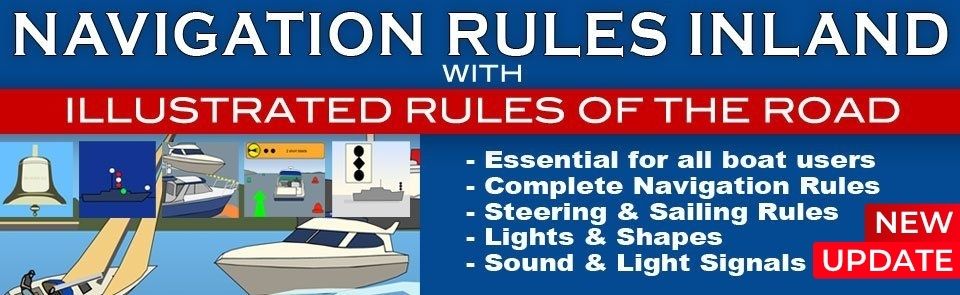
Navigation safety: a quick-reference mobile app to learn the ColRegs NavLights and Shapes

 Safety at SeaSafety at sea will always remains a topical and important subject that will no doubt dominate the syllabuses of nautical...

Welcome to the Safe Skipper website.


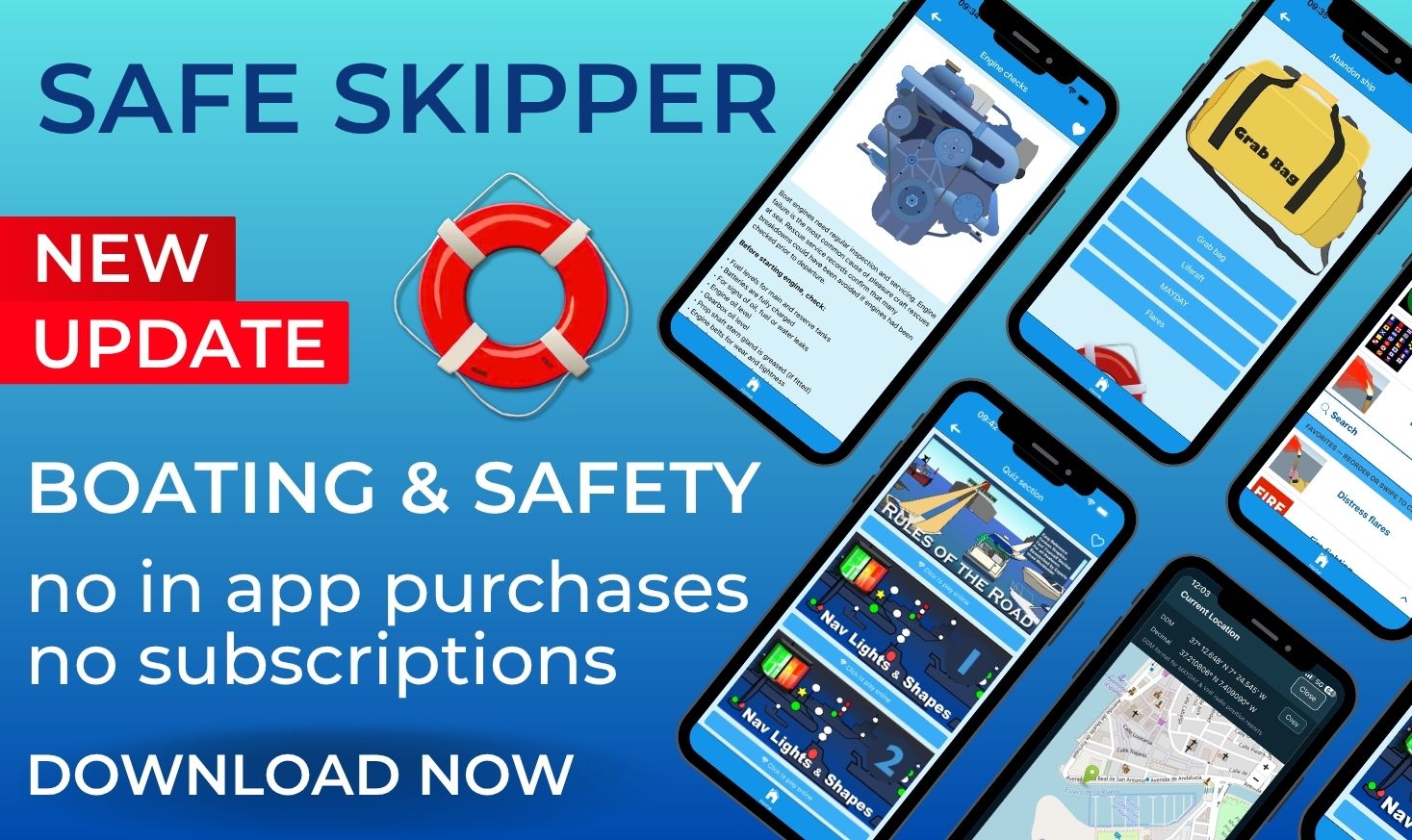
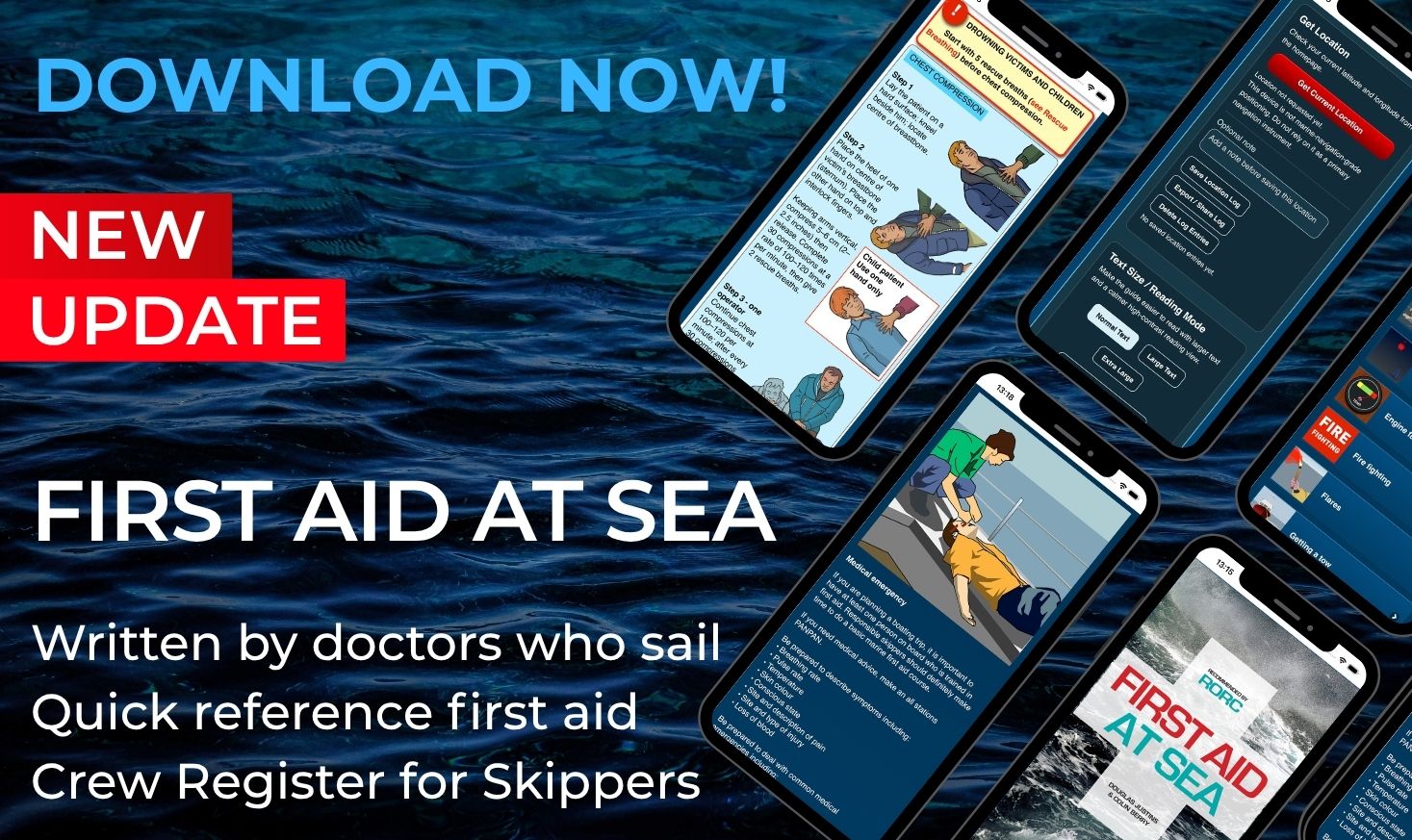
Safe Skipper is run by boating enthusiasts who also have a background in publishing and TV production, design and app development. As well as creating great content for the website, we’ve developed a range of popular boating apps that allow you to get safely out on the water whilst having essential information to hand, covering International ColRegs: Nav Lights & Shapes, Rules of the Road, Buoyage & Lights to knot tying, nautical chart symbols and first aid at sea – all information available to you when on the water, on your phone or tablet, when you need it.

We’re regularly adding new articles to the site, hope you’ll bookmark us and visit again soon.

Before you go, scroll down to our boating quizzes and check your boating knowledge!

Boat Security: Protecting your vessel from theft & vandalism

Boats are susceptible to theft and vandalism. Protecting your vessel from these risks requires a proactive approach to boat security. In this comprehensive guide, we’ll explore the various threats to boat security and provide practical strategies and technologies to safeguard your investment and enjoy peace of mind on the water.

Antifouling for leisure boats – Part 4

Applying antifouling. Antifouling is best applied on a dry, calm day. It is best to apply the antifouling in the middle of the day to ensure the hull is dry and as warm as possible.

How to cope with an emergency at sea

A safe skipper will be mentally prepared for all kinds of potential emergencies happening at sea, including medical emergencies, engine failure, fire, a holed hull, capsize and dismasting.

Sailing Boat Rig Care

The rig of a sailing boat is put under huge stresses and strains so it is important for inspections of a yacht’s spars and rigging to be carried out at regular intervals.

Sail trimming for cruisers

Sail trimming tips for cruisers. Whether racing or cruising, a well tuned boat will sail faster and tend to heel less than a boat with badly adjusted sails.

Tidal heights and the rule of twelfths

For those skippers who need to make a quick calculation or don’t have access to specific tidal curves for their location, it is possible to make an approximation using a system called the Rule of Twelfths. This is a simple method used to estimate the height of tide at any given time during the tidal cycle. It is based on the idea that the rise and fall of the tide is not constant, but follows a predictable pattern than can be divided into twelve parts.

Engine failure at sea – keeping the boat safe

If the engine stops when you are underway, or your have to shut it down when a warning buzzer sounds, you also need to make sure the boat remains safe. It’s important therefore to recognise situations in which the boat would be immediately put in danger if the engine were to fail.

Fire safety advice at sea from the Marine & Coastguard Agency

Fire safety advice for boaters Top fire safety advice at sea: 1. Fit smoke alarms, carbon monoxide and gas detectors 2. Turn...

DIY boat upgrades: Budget-friendly projects to enhance your (older!) boat

DIY projects that can enhance both the functionality and aesthetics of your boat. In this article, we’ll explore a variety of DIY boat upgrades that won’t break the bank but will significantly enhance your boating experience.

Tacking a sailing boat

Tacking is the sailing manoeuvre used to change a boat's direction through an oncoming wind. Tacking a sailing boat calls...

I have just downloaded and am using ColRegs Nav Lights & Shapes app, a brilliant training and reference device

Verified user

Instructor

Beautifully produced and very simple to use, a cool learning tool

Charlie

Sailor

Nav Lights & Shapes app – downloaded by 1000s of seafarers worldwide. Just one of our popular boating apps to download from the appstores for Apple and Android devices.

Fire safety advice at sea from the Marine & Coastguard Agency

Fire safety advice for boaters Top fire safety advice at sea: 1. Fit smoke alarms, carbon monoxide and gas detectors 2. Turn...

How to operate a winch

Winches are drum shaped mechanical devices used to handle halyards, sheets and control lines. One of the important crew...

A simple guide to understanding tides when passage planning

Understanding tides when passage planning When planning a trip in tidal waters, check the tides before going afloat. Use...

Cleaning & polishing gelcoat topsides

The gelcoat topsides of a GRP boat can be pampered and restored to their former glory relatively easily when it is ashore. Gelcoat is only a very thin outer layer of the hull, often less than 1mm thick, so you should avoid cleaning it with highly abrasive cleaners, or an-ything that could potentially damage its surface.

Pleasure craft safety equipment recommendations

Safety equipment is an important part of boat preparation and it is advisable for all pleasure craft skippers to check their vessel is...

Boat ownership

Owning a boat is a big commitment that should bring no end of satisfaction for the owner as well as the owner's family and friends. In...

Avoiding personal dangers at sea

In order to stay safe at sea, we need to know the risks we are facing and to be aware of any personal dangers we could possibly encounter. Here are six of the most common potential dangers individual crew members should be aware of.

Passage planning and pilotage

Passage planning and pilotage help skippers navigate safely from one port to another. A passage plan takes into account all...

Care of boat batteries

Boat batteries need to be kept properly charged, which means never allowing the batteries to discharge below 50 per cent of their total charge. As well as the batteries themselves, keeping a boat’s charging systems in good shape will also help to keep batteries topped up to a higher level of charge.

Tidal terms and definitions

Getting to grips with tidal terms and definitions can seem a little daunting, even to the most experienced sailors! Here we look at some of the key terms and definitions associated with the language of tides.

Jester Challenge 2022 – Sailing single handed from Plymouth UK to the Azores: Part 3 – Preparations

Jester Challenge – A modern experiment in old-fashioned self-reliance, self sufficiency, and personal responsibility. This is the third of a 10-part post where solo sailor, Bernie Branfield, shares his first hand account of his single-handed, 2022 Jester Challenge, from Plymouth, UK to the Azores, in his 26′ Invicta Mk2, Louisa.

Boat Engine Failure – what to check

Engine failure If your engine fails or is overheating there are a number of things to check immediately: • Air filter...

Essential Yachting + Power Boat Safety Briefing

Yachting Safety Briefing   Down below Lifejackets and harnesses - fitting, when to wear, clipping on Gas - risks, precautions, gas bottles and...

First Aid Afloat – fish spine injury

First Aid Afloat - Here is what to do if somebody stands on a fish spine: • Check for dangers. Is it safe for you to enter...

Marine diesel exhaust checks

You should inspect the exhaust system for corrosion damage regularly, especially around the injection bend. If you have noticed the engine exhaust smoking a lot during the sailing season this can also indicate a number of potential problems.

Boat Security: Protecting your vessel from theft & vandalism

Boats are susceptible to theft and vandalism. Protecting your vessel from these risks requires a proactive approach to boat security. In this comprehensive guide, we’ll explore the various threats to boat security and provide practical strategies and technologies to safeguard your investment and enjoy peace of mind on the water.

First aid at sea – four common emergencies

In this blog we look at what to do in the event of a crew member choking, drowning, or suffering from hypothermia or fatigue. Knowing how to cope with them could well save a life, while not knowing could result in an avoidable tragedy.

First Aid Afloat – Jellyfish Stings

Jellyfish stings are a common occurrence when boating or swimming in many parts of the world. While most stings are not serious, some can cause...

Tips and advice for staying safe on a sailboat at sea

Here we focus on how to stay safe on a sailboat at sea. We cover key things to ensure you have on board before you set sail as well as covering the most common cause of incidents on sailboats and how to deal with them.

Sailboat rig checks – Part 2

In part two of Sail boat rig checks we run through some useful rig maintenance tips and then finish with a brief look at what a professional rig check involves.

2026