Select Page

How to read nautical charts

Whilst most sailors today rely on GPS to find their way at sea, nautical charts are a crucial tool for any sailor to navigate safely and effectively. Here is a reminder of some of the basic steps involved in reading a nautical chart:

ColRegs – avoiding collisions at sea

ColRegs - avoiding collisions at sea ColRegs Rule 8: Action to avoid collision (a) Any action taken to avoid collision shall...

How to ensure your boat is in proper working condition

In this article Eva Tucker from Volvo Penta presents a handy check list of all the things that you need to check regularly in order to make sure that your boat is in a seaworthy condition. Including maintenance, safety gear and electrical checks.

Learning about diesel engine maintenance

Marine diesel engines are internal combustion engines that are designed specifically for use in maritime applications. These engines are commonly used in a variety of watercraft, ranging from small boats and yachts to large ships and vessels. Learn about marine diesel engine maintenance courses.

DIY boat upgrades: Budget-friendly projects to enhance your (older!) boat

DIY projects that can enhance both the functionality and aesthetics of your boat. In this article, we’ll explore a variety of DIY boat upgrades that won’t break the bank but will significantly enhance your boating experience.

Going aground – what to do if it happens to you

When a yacht runs aground, it can be a stressful situation, especially on a falling tide in an exposed position with a swell running. There are several steps you can take to address the situation in order to ensure the safety of your vessel and its occupants. Here are some tips should this happen to you.

Common marine electrical problems

Most problems with marine electrical systems arise from four possible sources, a lack of maintenance, a poor standard of initial installation, insufficient battery capacity, or ineffective charging systems.
Water ingress is a frequent issue – salt water can corrode contacts very quickly. If connections are not scrupulously clean – or are loose – resistance will be increased, resulting in progressively reduced power.

Understanding your mast and rigging

The rig of a sailing boat is put under huge stresses and strains so it is important for inspections of a yacht's spars and rigging to be...

Boat plumbing maintenance & troubleshooting

A boat’s fresh water system needs annual maintenance to keep it in good condition. Some boats have far more complex systems than others, with pressurised hot and cold water, associated pumps, an accumulator, calorifier and pressure valves, all to keep a boat owner busy.

Anchoring – getting it right

If you can set an anchor correctly with confidence and know your boat will be safe in a secure anchorage, then you can rest in comfort and will not...

Hull inspection – the annual checks

With the boat ashore for the winter it is time to do a hull inspection - the annual checks. Are there any scratches and chips in the...

Sailboat rig checks – Part 1

Sailing boat rigs need to be checked regularly to reduce the risk of rig failure at sea. In part one of Sail boat rig checks we run through a series of useful checks that owners and skippers can carry out.

Safety Briefings – leave nothing to chance

Before giving your crew a safety briefing, it is worth considering the specific circumstances of the planned trip, the...

Keeping boat records and doing checks

A boat’s records should provide information about maintenance schedules, when major work was done and when equipment was replaced or added to the boat. Without this information you are left guessing when things are likely to need replacing in the future and also what the costs are likely to be.

Top 5 Reasons Why an Inflatable SUP Should Be Your Next Yacht Accessory

In this article, inflatable paddle board expert Jason Paul gives the top 5 reasons why an inflatable SUP should be your next...

Sailing Safely at Night – Best Practice

Sailing at night can be a magical experience – the peaceful solitude, starry skies, and gentle lapping of waves create an unforgettable atmosphere. However, nighttime sailing also presents unique challenges and risks that require careful preparation and vigilance. This comprehensive guide will cover essential safety practices to ensure your nocturnal nautical adventures are both enjoyable and secure.

Jester Challenge 2022 – Sailing single handed from Plymouth UK to the Azores: Getting to the Start

Jester Challenge – A modern experiment in old-fashioned self-reliance, self sufficiency, and personal responsibility. This is the start of a 10-part post where solo sailor, Bernie Branfield, shares his first hand account of his single-handed, 2022 Jester Challenge, from Plymouth, UK to the Azores, in his 26′ Invicta Mk2, Louisa.

Learn ColRegs: Traffic Separation Schemes

Learn ColRegs Rule 10: Traffic Separation Schemes. (c) A vessel shall, so far as practicable, avoid crossing traffic lanes...

How to trim a genoa sail

I recently had two new sails made by Sanders Sails, based in Lymington UK. The first to arrive was the new genoa and it took me a little while to get to know it and learn how to adjust it correctly. Here is an aide memoire for getting to know how to trim a genoa so that it will deliver the best performance.

Sailing Boat Rig Care

The rig of a sailing boat is put under huge stresses and strains so it is important for inspections of a yacht’s spars and rigging to be carried out at regular intervals.

A simple guide to understanding tides when passage planning

Understanding tides when passage planning When planning a trip in tidal waters, check the tides before going afloat. Use...

Seized fixings and fastenings

Maintaining a boat can be a rewarding experience but at times it can also be frustrating. A prime example of this is when you come across a seized fixing or fastening that refuses to budge. Read our tips on how to release and fix them:

How to predict wind direction and strength by reading a weather chart

Weather charts, also known as surface pressure or synoptic charts, contain a lot of information that helps weather...

The give-way hierarchy – sail boats and power boats

Who gives way to who at sea? Even seasoned sailors sometimes get this wrong and in a crowded harbour this can easily lead to a collision or at best considerable embarrassment for a boat that mistakenly thinks it has right of way over another.

Boat interior varnishing

Most boat interiors have a combination of varnished and painted surfaces including solid wooden joinery, plywood laminates with thin hardwood veneers and glass reinforced plastic. When making your assessment of what you are going to do, bear in mind that the varnishing process consumes a lot of time, especially if the existing surfaces are in poor shape.

Welcome to the Safe Skipper website.


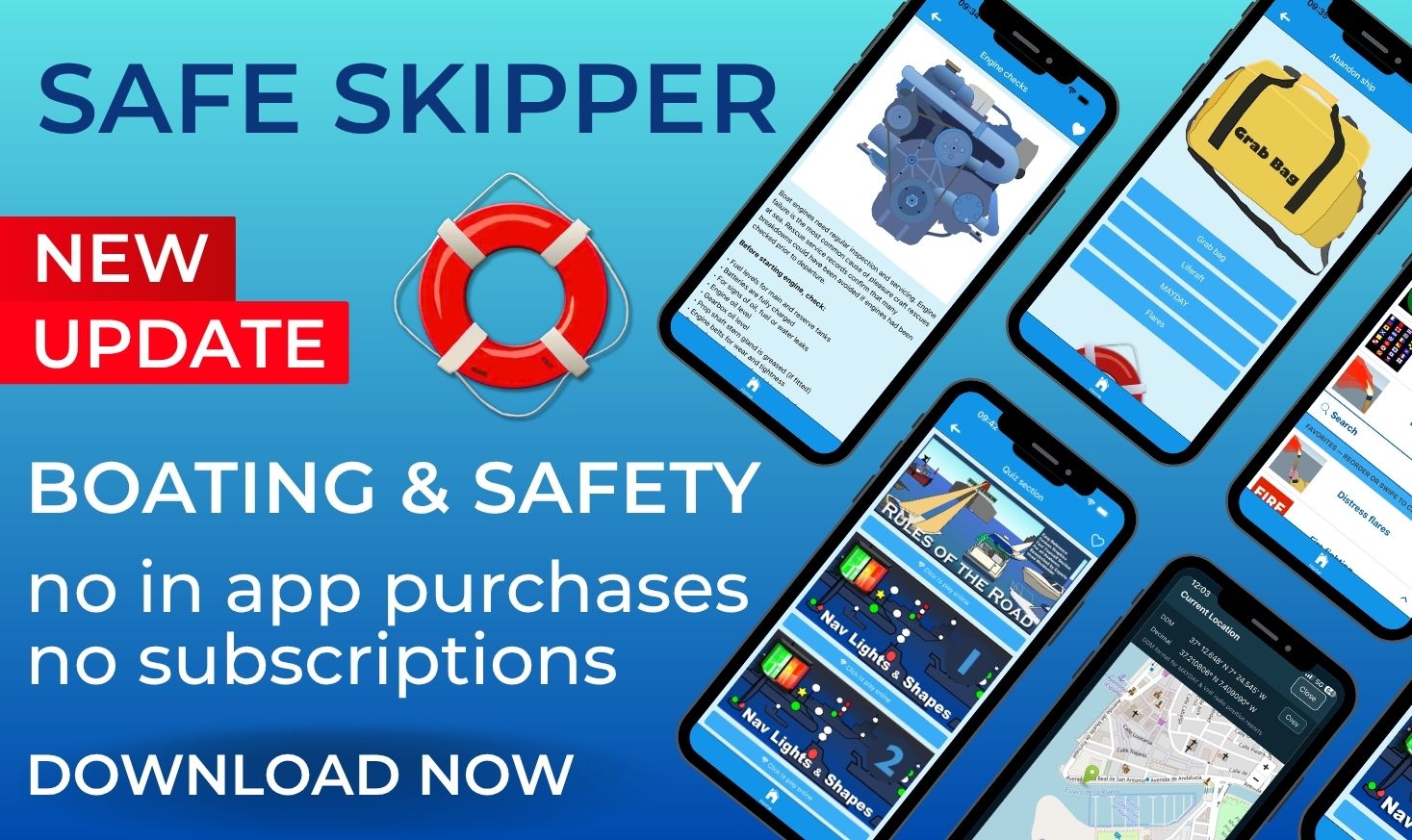
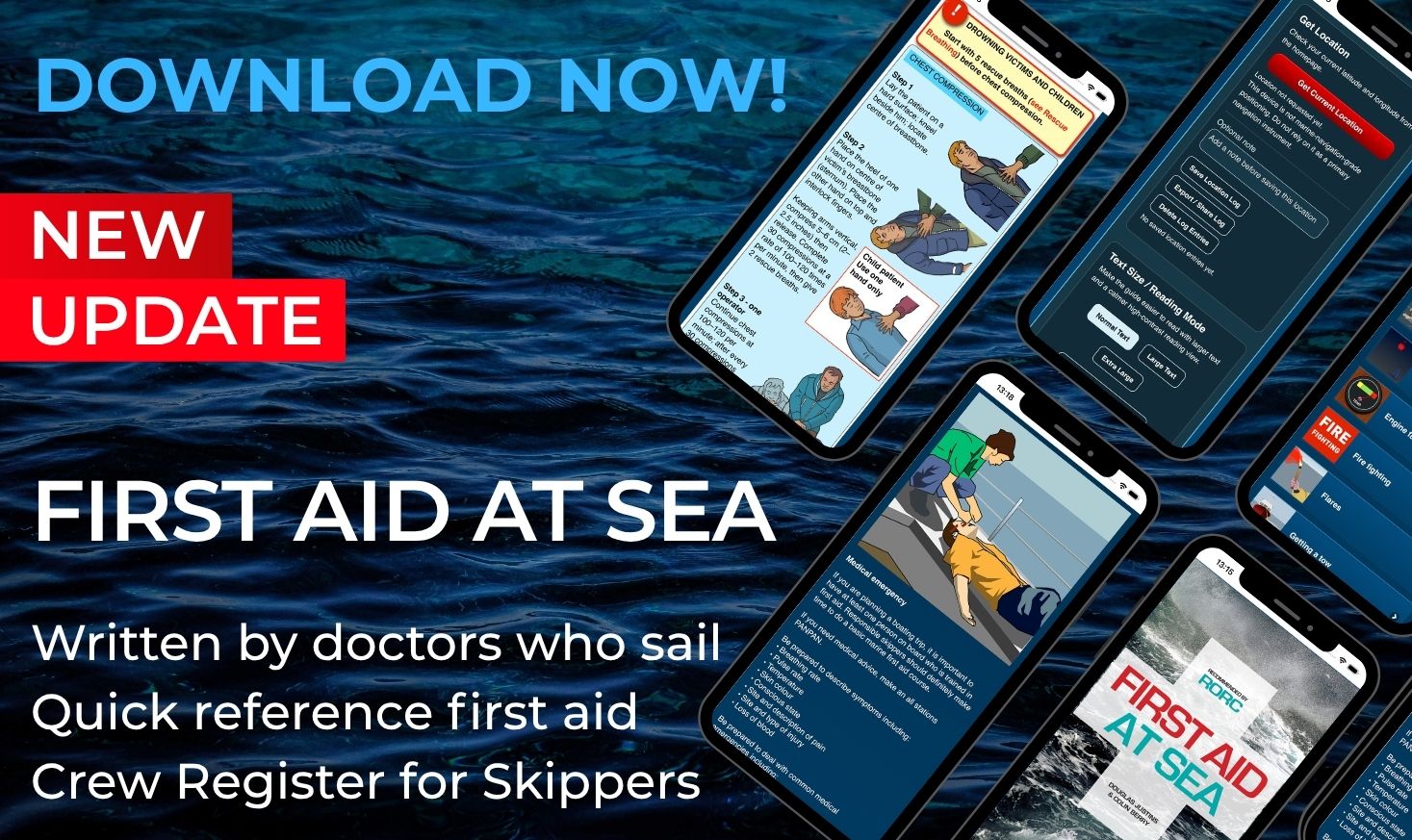
Safe Skipper is run by boating enthusiasts who also have a background in publishing and TV production, design and app development. As well as creating great content for the website, we’ve developed a range of popular boating apps that allow you to get safely out on the water whilst having essential information to hand, covering International ColRegs: Nav Lights & Shapes, Rules of the Road, Buoyage & Lights to knot tying, nautical chart symbols and first aid at sea – all information available to you when on the water, on your phone or tablet, when you need it.

We’re regularly adding new articles to the site, hope you’ll bookmark us and visit again soon.

Before you go, scroll down to our boating quizzes and check your boating knowledge!

Docking a Motorboat

Docking a motorboat can be a challenging task, especially for beginners, but with practice and attention to detail, it becomes much easier. Here’s a step-by-step guide to help you dock your motorboat safely and efficiently.

Saildrive maintenance

There are less maintenance tasks to carry out on a saildrive transmission than on a traditional inboard shaft drive system with its associated stern gear. However, there are a few critical things that require maintenance, as recommended in detail by the engine manufacturers, and should be adhered to.

Dripless shaft seals

Dripless shaft seals are designed to completely stop water from entering a boat’s hull via the stern tube. There are two main types of dripless seals known as face seals and lip seals which many boat manufacturers now fit to production boats.

Understanding your boat’s compass

Article submitted by Mike Rossiter, Certificated Compass Adjuster. Since the magnetic compass was first used by the Chinese...

Repairing chips and dings in gelcoat

The gelcoat topsides of a GRP boat can be pampered and restored to their former glory relatively easily when it is ashore. Gelcoat is only a very thin outer layer of the hull, often less than 1mm thick, so you should avoid cleaning it with highly abrasive cleaners, or an-ything that could potentially damage its surface.

How to operate a winch

Winches are drum shaped mechanical devices used to handle halyards, sheets and control lines. One of the important crew...

The dangers of running aground in a motor boat

The peril of grounding a motor boat is not only an inconvenience; it can lead to substantial risks for both the vessel and its passengers. . In this article, we’ll explore the potential dangers of running aground and highlight the importance of proper navigation and preparedness to avoid these hazards!

Jester Challenge 2022 – Sailing single handed from Plymouth UK to the Azores: Part 3 – Preparations

Jester Challenge – A modern experiment in old-fashioned self-reliance, self sufficiency, and personal responsibility. This is the third of a 10-part post where solo sailor, Bernie Branfield, shares his first hand account of his single-handed, 2022 Jester Challenge, from Plymouth, UK to the Azores, in his 26′ Invicta Mk2, Louisa.

ColRegs Rule 14 – Head-on Situation

  ColRegs Rule 14: Head-on Situation (a) When two power-driven vessels are meeting on reciprocal or nearly reciprocal...

Jester Challenge 2022 – Sailing single handed from Plymouth UK to the Azores: Part 5 – Boat Management

Jester Challenge – A modern experiment in old-fashioned self-reliance, self sufficiency, and personal responsibility. This is the fifth of a 10-part post where solo sailor, Bernie Branfield, shares his first hand account of his single-handed, 2022 Jester Challenge, from Plymouth, UK to the Azores, in his 26′ Invicta Mk2, Louisa.

I have just downloaded and am using ColRegs Nav Lights & Shapes app, a brilliant training and reference device

Verified user

Instructor

Beautifully produced and very simple to use, a cool learning tool

Charlie

Sailor

Nav Lights & Shapes app – downloaded by 1000s of seafarers worldwide. Just one of our popular boating apps to download from the appstores for Apple and Android devices.

Boating emergency – how to broadcast a MAYDAY emergency call

How to broadcast a MAYDAY emergency call   How to broadcast a MAYDAY emergency call if a vessel or person is in grave...

Essential Knots: Figure of eight

Essential Knots: Figure of eight Use: Stopper knot, prevents a rope from being pulled through a hole e.g. through a block or...

Essential Knots: Round turn and two half hitches

Essential Knots: Round turn and two half hitches Use: Tying a rope to a pole or a ring. Step 1. Pass the end around the object. Step 2....

Rudders and steering systems – Part 3

In the third of our three blog articles on rudders and steering systems, we look at how to replace rudder bearings and repair a water-saturated core.

Narrowboating on the Kennet and Avon Canal

A recently cancelled sailing event I was due to take part in left us with a free weekend in the diary. Given that my wife and I were celebrating a bumper wedding anniversary and the weather forecast was for fine weather, we decided to hunt around for a last minute canal holiday.

How to predict wind direction and strength by reading a weather chart

Weather charts, also known as surface pressure or synoptic charts, contain a lot of information that helps weather...

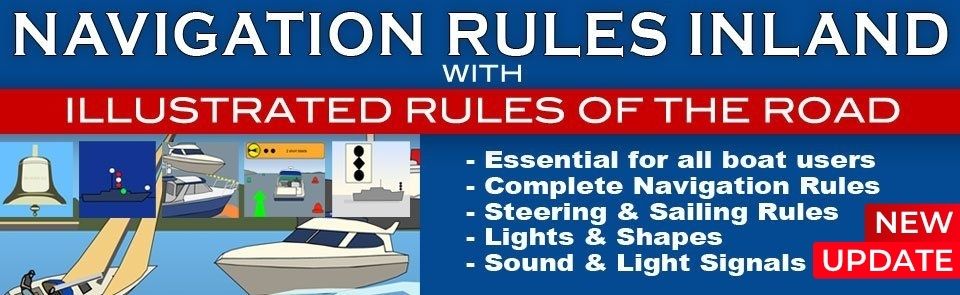
Navigation safety: a quick-reference mobile app to learn the ColRegs NavLights and Shapes

 Safety at SeaSafety at sea will always remains a topical and important subject that will no doubt dominate the syllabuses of nautical...

Wooden Hull Repairs

While wooden boat hull maintenance is mostly straightforward, it is always a good idea to take expert advice on any repair job needed doing to a wooden boat, unless you have done the job before and know what you are doing.

Understanding your boat’s compass

Article submitted by Mike Rossiter, Certificated Compass Adjuster. Since the magnetic compass was first used by the Chinese...

Pleasure craft safety equipment recommendations

Safety equipment is an important part of boat preparation and it is advisable for all pleasure craft skippers to check their vessel is...

The Boatyard Book – a boat owner’s guide to yacht maintenance, repair and refitting

The Boatyard Book is a fully illustrated 224 page practical reference manual that provides advice for boat owners on planning and carrying out annual maintenance, repairs, upgrades and refits of sailing yachts and motorboats, up to 20 metres in length.

Navigating narrow channels

Navigating narrow channels can present challenges for boat operators due to limited space, restricted manoeuvrability, and potential hazards such as shallows, rocks, or other vessels. To ensure safe passage through narrow channels, it’s essential to follow specific strategies and techniques.

Navigating Through Rough Waters: Tips for Handling Adverse Weather Conditions in a Sailboat

Navigating through rough waters in a sailboat requires skill, preparation, and a good understanding of both your vessel and the environment. Here are some tips for handling adverse weather conditions including Preparation, Techniques, Safety and much more..

2023 Rolex Fastnet Race

Safe Skipper’s Simon Jollands took part in the 2023 Rolex Fastnet Race – a classic offshore sailing event. This is the first of several articles on the race and focuses on the start.

Essential Yachting + Power Boat Safety Briefing

Yachting Safety Briefing   Down below Lifejackets and harnesses - fitting, when to wear, clipping on Gas - risks, precautions, gas bottles and...

An explanation of the IALA maritime buoyage systems – IALA A and IALA B

What are the differences between the two IALA buoyage systems, IALA Region A and IALA Region B, and where are they used?   As recently as the 1970s...

How to trim a genoa sail

I recently had two new sails made by Sanders Sails, based in Lymington UK. The first to arrive was the new genoa and it took me a little while to get to know it and learn how to adjust it correctly. Here is an aide memoire for getting to know how to trim a genoa so that it will deliver the best performance.

How a propeller works

Have a look around any boatyard and you will notice quite a variety of propellers – some have two blades, some have three and others have four or more. While most propellers are completely rigid some have blades that fold.

Sector lights, directional lights, leading lights – how do they differ?

Sector lights, directional lights and leading lights guide vessels safely through hazardous waters or narrow channels at...

How to cope with an emergency at sea

A safe skipper will be mentally prepared for all kinds of potential emergencies happening at sea, including medical emergencies, engine failure, fire, a holed hull, capsize and dismasting.

2026